
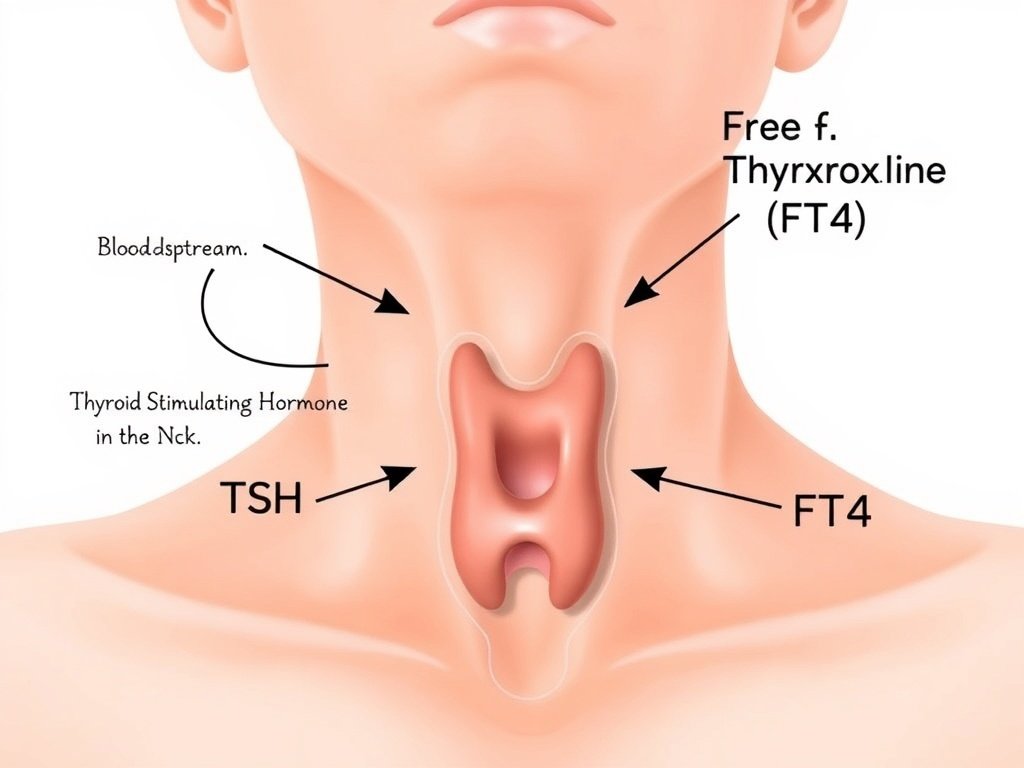
TSH w/reflex to FT4 is a thyroid blood test that first measures Thyroid Stimulating Hormone (TSH). If TSH levels are abnormal, the lab automatically tests Free T4 (thyroxine) to evaluate thyroid function more accurately. This two-step approach helps diagnose hypothyroidism, hyperthyroidism, and other thyroid disorders efficiently without requiring multiple separate tests.
The TSH w/reflex to FT4 test is one of the most commonly ordered thyroid function tests used to evaluate how well your thyroid gland is working. It begins by measuring TSH, the hormone that signals the thyroid to produce hormones. If TSH levels fall outside the normal range, the lab automatically checks Free T4 to provide deeper insight into hormone balance. This smart testing approach saves time, reduces unnecessary lab work, and improves diagnostic accuracy. In this detailed guide, you’ll learn how the test works, why doctors recommend it, how to interpret results, and what abnormal values may mean for your health and treatment options.
Understanding How the Thyroid Gland Controls Your Body’s Hormone Balance
The thyroid gland is a small butterfly-shaped organ located in the front of the neck, yet it plays a powerful role in regulating metabolism, energy, heart rate, and temperature. It produces two major hormones called T4 and T3 that influence nearly every organ system. When the thyroid becomes overactive or underactive, the entire body can feel the impact. Hormone imbalance may lead to fatigue, weight changes, mood shifts, or irregular heartbeat. Because symptoms are often subtle, laboratory testing becomes essential for accurate diagnosis and proper treatment planning.
What Is TSH and Why It Is the First Marker Doctors Check
Thyroid Stimulating Hormone, commonly called TSH, is produced by the pituitary gland in the brain. Its job is to signal the thyroid to produce hormones when levels are too low. If thyroid hormone drops, TSH rises to stimulate production. If thyroid hormone is high, TSH decreases to maintain balance. This feedback loop makes TSH a sensitive indicator of thyroid function. Even small hormone changes can shift TSH levels, which is why it is usually the first and most important screening test ordered by healthcare providers.
What Free T4 Measures and Why It Matters in Diagnosis
Free T4 refers to the unbound portion of thyroxine circulating in the bloodstream. Only the free form is biologically active and able to enter tissues. Measuring Free T4 provides insight into how much usable thyroid hormone is available to the body. While TSH reflects the brain’s response, Free T4 shows actual hormone supply. Together, they create a more complete picture. When TSH is abnormal, checking Free T4 helps determine whether the thyroid is underactive, overactive, or functioning within a subclinical range.
How the TSH w/reflex to FT4 Test Works in Clinical Practice
The tsh w/reflex to ft4 test begins by analyzing TSH levels from a simple blood sample. If TSH falls within the laboratory’s normal reference range, no further testing is done. However, if TSH is high or low, the lab automatically measures Free T4 from the same sample. This reflex approach eliminates the need for a second blood draw. It improves efficiency, speeds up diagnosis, and reduces healthcare costs while ensuring patients receive a thorough thyroid evaluation.
Why Doctors Prefer the Reflex Testing Strategy for Thyroid Screening
Reflex testing is preferred because it streamlines the diagnostic process. Instead of ordering multiple tests separately, physicians can rely on one structured pathway. This reduces unnecessary laboratory expenses when TSH is normal and ensures additional hormone evaluation when needed. It is especially helpful for routine thyroid screening, annual physical exams, pregnancy monitoring, and medication management. By using this structured system, doctors can make quicker and more accurate clinical decisions without compromising diagnostic precision.
Normal Reference Ranges and What Healthy Results Look Like
Normal TSH levels typically fall between approximately 0.4 and 4.0 mIU/L, though ranges can vary slightly by laboratory. Free T4 values also differ by testing method but generally fall within a defined healthy interval. A normal TSH with no reflex trigger usually suggests stable thyroid function. However, interpretation must consider symptoms, medical history, pregnancy status, and medications. Lab numbers alone do not define health. Clinical context is always necessary to determine whether results reflect optimal thyroid balance.
What High TSH and Low Free T4 Indicate About Hypothyroidism
When TSH is elevated and Free T4 is low, it usually indicates primary hypothyroidism. This means the thyroid gland is not producing enough hormone despite strong stimulation from the pituitary gland. Symptoms may include fatigue, cold intolerance, constipation, dry skin, and weight gain. Early detection allows treatment with thyroid hormone replacement therapy, typically levothyroxine. Monitoring ensures hormone levels return to normal and symptoms gradually improve. Untreated hypothyroidism can affect heart health and overall metabolic stability.
Also read this: Gastroshiza Causes Symptoms Treatment and Long Term Care Guide
What Low TSH and High Free T4 Reveal About Hyperthyroidism
Low TSH combined with elevated Free T4 suggests hyperthyroidism, a condition in which the thyroid produces excessive hormone. This may result from autoimmune disorders, thyroid nodules, or inflammation. Common symptoms include rapid heartbeat, anxiety, sweating, heat intolerance, and unintended weight loss. Prompt diagnosis helps prevent complications such as heart rhythm problems or bone loss. Treatment options may include medications, radioactive iodine therapy, or in some cases, surgery depending on the underlying cause.
Subclinical Thyroid Disorders and Borderline Laboratory Patterns
Sometimes TSH levels are abnormal while Free T4 remains within normal range. This pattern is called subclinical thyroid dysfunction. It may not cause noticeable symptoms initially, but it can progress over time. Doctors may monitor these patients periodically before starting treatment. Decisions depend on age, cardiovascular risk, pregnancy status, and symptom severity. Subclinical cases highlight why reflex testing is valuable, as it detects early changes before full hormonal imbalance develops.
Conditions and Life Stages That Require Regular Thyroid Monitoring
Pregnancy, aging, autoimmune diseases, and certain medications can influence thyroid function. Women are more commonly affected by thyroid disorders, particularly during pregnancy or postpartum periods. Patients with diabetes or a family history of thyroid disease also require closer monitoring. The tsh w/reflex to ft4 test plays a vital role in routine screening for high-risk groups. Early identification prevents complications and supports long-term endocrine health through timely intervention and follow-up care.
How Medications and Supplements Can Influence Test Results
Certain medications such as steroids, dopamine, and thyroid hormone replacement therapy can affect TSH levels. Biotin supplements may interfere with lab assays and produce inaccurate readings. It is important to inform healthcare providers about all medications and supplements before testing. Timing of blood draws can also influence results, especially in patients taking thyroid medication. Accurate interpretation depends on proper preparation and clear communication between patient and clinician.
Symptoms That Often Lead Doctors to Order Thyroid Testing
Persistent fatigue, unexplained weight changes, mood disturbances, menstrual irregularities, and hair thinning often prompt thyroid evaluation. Because symptoms overlap with many other conditions, laboratory confirmation is essential. Physicians use clinical assessment combined with blood testing to rule out thyroid imbalance. Early testing prevents misdiagnosis and ensures that underlying endocrine issues are addressed appropriately. The reflex approach enhances diagnostic clarity without unnecessary repeat visits.
Advantages of Early Detection Through Modern Laboratory Screening
Early detection allows healthcare providers to intervene before complications develop. Identifying hormonal imbalance early reduces risk of cardiovascular issues, infertility, and metabolic problems. The tsh w/reflex to ft4 method supports proactive care by offering efficient, accurate screening in a single order. Preventive testing is particularly valuable in primary care settings where thyroid disorders are common. Timely diagnosis leads to better outcomes and improved quality of life.
How Test Results Guide Personalized Treatment Decisions
Treatment strategies depend entirely on laboratory patterns and symptom severity. Hypothyroidism typically requires hormone replacement therapy, while hyperthyroidism may involve medication or other targeted treatments. Regular follow-up testing ensures hormone levels remain within a healthy range. Adjustments are made gradually based on lab values and patient response. Personalized care ensures stability, symptom relief, and long-term hormonal balance tailored to individual needs.
Conclusion: Why This Thyroid Screening Method Matters for Long-Term Health
Thyroid disorders are common yet often overlooked due to subtle symptoms. A structured testing strategy like TSH w/reflex to FT4 ensures accurate, efficient evaluation of thyroid health. By first measuring TSH and automatically checking Free T4 when needed, this approach balances cost-effectiveness with diagnostic precision. Understanding results empowers patients to seek timely care and maintain hormonal stability. With proper monitoring and treatment, most thyroid conditions can be managed successfully, supporting lifelong metabolic and overall wellness.
FAQs (People Also Ask)
What does TSH w/reflex to FT4 mean?
It is a two-step thyroid blood test that measures TSH first and automatically checks Free T4 if TSH is abnormal.
Why is this test better than ordering separate tests?
It saves time and avoids unnecessary testing while ensuring deeper analysis when TSH levels are outside normal range.
Do I need to fast before the test?
Fasting is usually not required, but follow your doctor’s instructions regarding medications.
How long does it take to get results?
Most laboratories provide results within one to two business days.
Can stress affect thyroid test results?
Severe stress can influence hormone levels, but persistent abnormalities typically indicate underlying thyroid imbalance.
Is this test used during pregnancy?
Yes, thyroid monitoring is important during pregnancy to support healthy fetal development.
What happens if my results are abnormal?
Your doctor may recommend repeat testing, medication, or referral to an endocrinologist depending on the findings.
Fore more info: Foxmagazines.co.uk
