
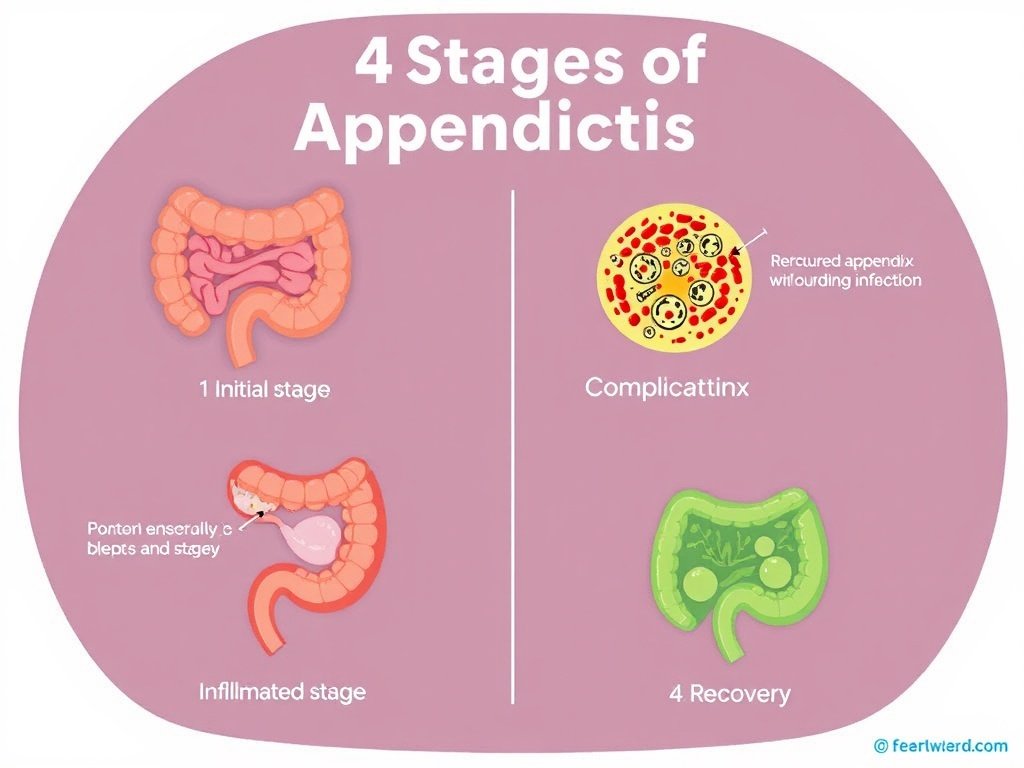
Appendicitis progresses through four stages: early inflammation, suppuration, gangrene, and perforation. Early symptoms include abdominal pain and nausea. If untreated, the condition can become life-threatening. Recognizing the signs in each stage helps seek timely medical care, prevent complications, and improve recovery. Immediate medical attention is crucial during advanced stages to avoid severe infection or organ damage.
Appendicitis is a common medical emergency that occurs when the appendix becomes inflamed. It develops gradually through four distinct stages: early inflammation, pus formation, tissue death, and potential rupture. Each stage presents unique symptoms, from mild abdominal discomfort to severe pain, fever, and digestive issues. Understanding these stages helps individuals recognize warning signs early and seek treatment promptly. Timely intervention can prevent life-threatening complications like perforation or peritonitis. This article explains the four stages in detail, including progression, symptoms, and recommended medical responses. It is designed to inform, educate, and guide readers on safely managing appendicitis risk.
Introduction to Appendicitis
Appendicitis is the inflammation of the appendix, a small pouch connected to the large intestine. Though small, its inflammation can cause serious complications if not treated on time. The condition affects people of all ages but is most common in teens and young adults. Symptoms usually start subtly and progress over hours or days. Understanding the disease’s progression through its four stages is essential for early recognition. Early diagnosis reduces the risk of rupture, infection, and prolonged hospitalization. This article will guide you through each stage of appendicitis, its symptoms, and appropriate medical actions to ensure safety.
Stage 1 – Early Inflammation
The first stage of appendicitis involves mild inflammation of the appendix. At this stage, symptoms are often subtle and can mimic digestive upset, such as mild abdominal discomfort near the belly button, nausea, or loss of appetite. Some people may experience slight fever or fatigue. Because the symptoms are vague, this stage is often overlooked, delaying treatment. Early medical consultation is crucial, as simple imaging tests like ultrasound or CT scan can confirm inflammation. Prompt detection at this stage allows for effective management, sometimes even preventing surgical intervention with proper monitoring and care.
Stage 2 – Suppurative Appendicitis (Pus Formation)
During the second stage, inflammation intensifies, and the appendix starts filling with pus, signaling the body’s immune response. Pain usually shifts to the lower right abdomen and becomes more persistent. Nausea, vomiting, mild fever, and abdominal tenderness increase. The risk of complications grows, making early hospitalization essential. Doctors often recommend imaging and blood tests to confirm infection. At this stage, surgical removal of the appendix (appendectomy) is the standard treatment. Early intervention can prevent progression to tissue death or perforation, which can be life-threatening and require emergency procedures.
Stage 3 – Gangrenous Appendicitis (Tissue Death)
Gangrenous appendicitis occurs when blood supply to the appendix is severely compromised, causing tissue death. Pain becomes severe, continuous, and often radiates to other areas of the abdomen. Patients may experience high fever, chills, and rapid heartbeat. Vomiting and digestive disturbances intensify. Immediate surgical intervention is critical to remove the necrotic appendix and prevent the spread of infection. Delaying treatment at this stage significantly increases the risk of rupture, peritonitis, or sepsis. Gangrenous appendicitis requires hospitalization, IV antibiotics, and careful monitoring to avoid serious complications.
Stage 4 – Perforation (Rupture)
The final stage is the rupture of the appendix, which releases infectious material into the abdominal cavity. Symptoms are severe and sudden: extreme abdominal pain, swelling, high fever, vomiting, and sometimes low blood pressure. This stage is a life-threatening emergency requiring immediate surgery. Peritonitis, an infection of the abdominal lining, can develop rapidly, causing multi-organ complications. Recovery may involve longer hospital stays, intensive antibiotics, and post-surgical care. Recognizing the earlier stages of appendicitis can prevent reaching this critical stage, emphasizing the importance of early symptom recognition and medical consultation.
Symptoms Overview Across All Stages
Symptoms vary by stage but typically follow a progression. Early discomfort often becomes sharp pain localized in the lower right abdomen. Nausea, loss of appetite, and low-grade fever appear early, while gangrenous or perforated stages include severe pain, high fever, and vomiting. Abdominal tenderness, bloating, and increased heart rate are key warning signs. Understanding symptom patterns helps in timely diagnosis. Parents, teens, and adults should monitor persistent abdominal pain, as early intervention dramatically improves outcomes. Tracking symptoms and seeking professional evaluation ensures safe, effective treatment.
Causes and Risk Factors
Appendicitis occurs when the appendix becomes blocked, often due to hardened stool, infection, or intestinal obstruction. Risk factors include age (most common between 10–30 years), family history, low-fiber diet, and certain infections. Early awareness of these risk factors helps in recognizing potential symptoms. Timely medical attention is essential, especially if abdominal discomfort persists or worsens. While anyone can develop appendicitis, knowing triggers and risks enables proactive monitoring, increasing the chances of early detection and reducing the likelihood of emergency surgery or complications.
Also read this: Dentiloquent Explained: Understanding Its Meaning, Usage, and Unique Significance
Diagnosis Methods
Doctors diagnose appendicitis through physical examination, symptom assessment, blood tests, and imaging. Ultrasound or CT scans are commonly used to detect inflammation or pus. Early diagnosis is vital to prevent progression to gangrene or rupture. Physicians also consider patient history, including pain location, onset, and severity. Recognizing the disease in its early stages can simplify treatment, sometimes allowing planned surgery instead of emergency intervention. Accurate diagnosis ensures timely care and reduces the risks of severe complications, hospital stay, and post-operative recovery time.
Treatment Options
The standard treatment is appendectomy, which can be performed laparoscopically or via open surgery. In some early cases, antibiotics may manage mild inflammation. Stage and severity determine the urgency of surgery. Post-operative care includes rest, pain management, and a gradual return to normal activities. Preventing complications requires prompt medical attention during the early stages. Awareness of the four stages helps patients understand treatment necessity and urgency. Proper follow-up ensures full recovery and prevents recurrence or infection.
Home Care Before Surgery
While waiting for surgery, patients should avoid eating or drinking to reduce complication risks. Rest and minimal physical activity are recommended. Pain relief may be administered under supervision, but medications should be guided by a doctor. Hydration and monitoring of symptoms like fever or worsening pain are essential. Awareness of progression signs—such as intensifying pain or vomiting—is critical. Immediate hospital contact is necessary if symptoms escalate, as delays increase the risk of gangrene or rupture. Home care supports stabilization before professional medical treatment.
Recovery and Post-Surgery Care
Post-surgery recovery usually lasts 1–3 weeks for laparoscopic surgery and longer for open surgery. Patients should follow wound care instructions, avoid heavy lifting, and gradually resume daily activities. Diet should be light initially, then return to normal gradually. Monitoring for signs of infection like fever, swelling, or redness is essential. Follow-up visits ensure proper healing. Recovery is smoother when appendicitis is caught early. Awareness of post-operative symptoms and careful adherence to doctor’s instructions reduces complications and ensures safe, complete recovery.
Complications of Late Detection
Delayed treatment can cause rupture, peritonitis, abscess formation, or sepsis. Mortality risk increases in severe cases. Advanced stages require intensive care, prolonged hospitalization, and antibiotics. Recognizing early symptoms prevents these outcomes. Health awareness campaigns stress early detection. Understanding the four stages helps families and patients act quickly. Complications not only endanger life but also increase treatment costs and recovery time. Prompt medical attention dramatically lowers risk, highlighting the critical importance of symptom awareness and timely healthcare access.
Preventive Measures
While appendicitis cannot always be prevented, a high-fiber diet, hydration, and avoiding constipation may reduce risk. Regular health checkups help detect digestive issues early. Knowledge of symptoms ensures timely medical consultation. Early detection minimizes complications, reduces emergency surgeries, and improves recovery outcomes. Awareness of family history and risk factors also aids in monitoring. Healthy lifestyle choices support overall gut health, indirectly contributing to a lower likelihood of appendicitis. Education on early warning signs empowers individuals to seek timely care.
When to Seek Medical Help
Any persistent lower abdominal pain, especially with nausea, vomiting, or fever, warrants immediate evaluation. Rapid progression of symptoms may indicate advancing appendicitis. Delays in care can lead to severe complications. Medical professionals can provide imaging, blood tests, and timely treatment. Knowing the stages helps patients assess urgency. Immediate hospital contact ensures safe intervention, effective treatment, and prevents critical outcomes such as gangrene or rupture. Quick response saves lives and reduces post-surgical complications.
Conclusion
Understanding the 4 stages of appendicitis is crucial for early recognition, timely treatment, and prevention of life-threatening complications. Early inflammation is subtle, but progression can lead to gangrene and rupture. Awareness of symptoms, risk factors, and treatment options empowers patients to act fast. Prompt medical care ensures recovery with minimal risk. Maintaining gut health, seeking timely medical attention, and educating oneself on symptom patterns can save lives. Knowledge of these stages is not just informative—it’s life-saving.
FAQs
Q1: What are the first signs of appendicitis?
A1: Mild abdominal pain near the belly button, nausea, and loss of appetite.
Q2: Can appendicitis resolve on its own?
A2: Rarely. Most cases require medical treatment or surgery.
Q3: How long does appendicitis take to progress?
A3: Usually 24–72 hours, but it varies by individual.
Q4: Is surgery always required?
A4: Appendectomy is standard, though early cases may sometimes be managed with antibiotics.
Q5: Can children get appendicitis?
A5: Yes, it is common in children and teens, so early recognition is vital.
Q6: What happens if appendicitis is ignored?
A6: It can lead to rupture, infection, and life-threatening complications.
Q7: How is appendicitis diagnosed?
A7: Through physical examination, blood tests, and imaging like ultrasound or CT scan.
Fore more info: Foxmagazines.co.uk
