
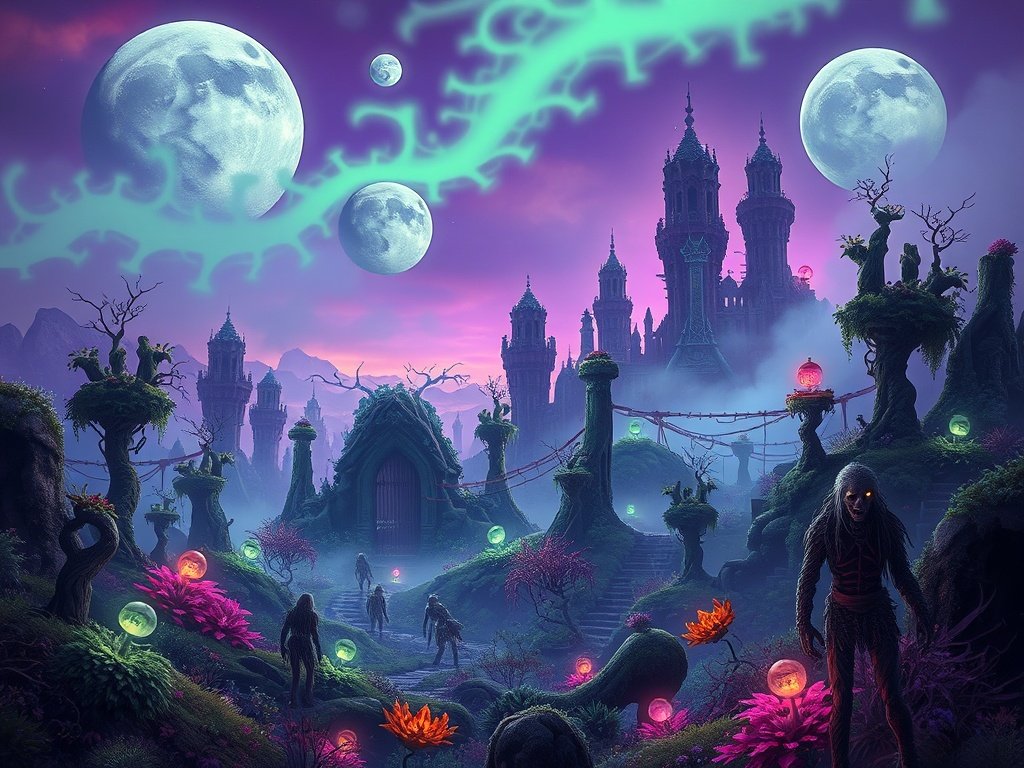
Zombiu Zeme is commonly searched as a survival horror experience known for its dark atmosphere, permadeath mechanics, and intense resource management. Players navigate a dangerous, infected environment where every decision matters. The game focuses on strategic survival rather than action-heavy combat, making careful exploration, limited supplies, and tension-filled encounters the core of the experience.
Survival horror fans are always looking for games that truly test their nerves, strategy, and patience. Zombiu Zeme stands out because it blends psychological tension with realistic survival mechanics. Instead of offering fast-paced shooting alone, it forces players to think before acting. Every encounter feels risky, and losing a character carries real consequences.
This article explores gameplay systems, story depth, survival mechanics, enemy behavior, and hidden strategies. You will learn how the atmosphere shapes player decisions, how resource management impacts progress, and why this experience continues to attract attention from horror gaming communities worldwide.
The Core Concept Behind Zombiu Zeme’s Survival Horror Design
Zombiu Zeme builds its foundation on tension rather than spectacle. The game emphasizes vulnerability, placing players in a hostile environment where survival feels uncertain at every turn. Instead of empowering players with endless ammunition, it restricts resources and forces careful planning. This design choice strengthens immersion and emotional engagement.
The atmosphere is heavy and unpredictable, encouraging cautious movement through abandoned spaces. Every sound matters, and every shadow could hide danger. The survival horror genre thrives on fear of the unknown, and this title successfully channels that feeling through minimal guidance and limited safety nets.
Immersive World Building and Environmental Storytelling Techniques
One of the most powerful elements of the experience is environmental storytelling. The world feels lived-in, damaged, and chaotic. Broken streets, abandoned interiors, and scattered clues tell a story without relying on lengthy dialogue. Players piece together events through visual hints and subtle details.
This approach deepens immersion because players discover the narrative themselves. Instead of cutscenes explaining everything, the environment communicates tension and past tragedy. The storytelling method respects the player’s intelligence, encouraging exploration and curiosity while maintaining a consistent horror tone.
Strategic Gameplay Mechanics That Reward Patience and Planning
Gameplay revolves around slow progression and calculated decisions. Combat is dangerous, and avoiding confrontation is often wiser than direct engagement. Timing attacks, preserving stamina, and understanding enemy patterns are crucial to survival.
The system discourages reckless behavior. Each action carries consequences, and mistakes can quickly escalate into fatal outcomes. Players who adapt to a cautious playstyle find the experience more rewarding. Strategic movement, smart inventory use, and careful map awareness define long-term success within this harsh environment.
Permadeath System and Its Psychological Impact on Players
A defining feature of Zombiu Zeme is its permadeath mechanic. When a character dies, progress is affected in a meaningful way, increasing emotional investment. This design transforms every encounter into a high-stakes moment.
Permadeath creates tension that traditional respawn systems cannot replicate. Players become more careful, emotionally attached, and strategically aware. The fear of losing progress changes how risks are evaluated. This mechanic strengthens immersion and elevates the survival horror experience beyond typical action-driven gameplay models.
Resource Management and Scarcity as Core Survival Elements
Supplies are intentionally limited, reinforcing the sense of vulnerability. Ammunition, healing items, and tools must be used carefully. Wasting resources can create severe disadvantages later in the game.
This scarcity system encourages planning and exploration. Searching environments thoroughly becomes essential for survival. Players learn to prioritize essential items and avoid unnecessary combat. The tension created by limited supplies enhances realism and keeps every decision meaningful throughout the experience.
Also read this: Diär Meaning, Causes, Symptoms, Treatment, and Prevention Guide
Enemy Behavior Patterns and Adaptive Threat Encounters
Enemies in the game are unpredictable and relentless. They do not simply act as background obstacles but serve as active threats that demand attention. Observing their behavior patterns is crucial for survival.
Some enemies react to noise, while others patrol in unpredictable routes. Understanding these patterns helps players avoid direct conflict. The challenge lies in balancing stealth and confrontation. This dynamic enemy design ensures encounters remain tense and engaging rather than repetitive or predictable.
Atmospheric Sound Design That Amplifies Fear and Suspense
Sound plays a vital role in shaping the experience. Subtle background noises, distant growls, and environmental echoes heighten tension. Often, players hear danger before seeing it.
The minimalistic soundtrack avoids overpowering the scene. Instead, it supports immersion by enhancing natural sound cues. This design forces players to rely on auditory awareness. Fear becomes psychological, driven by anticipation rather than constant action, strengthening the overall horror atmosphere.
Visual Design Choices That Reinforce Dark Themes
The visual presentation uses muted colors, dim lighting, and detailed textures to create a bleak environment. Darkness is not just aesthetic but functional, limiting visibility and increasing uncertainty.
Shadows conceal threats and amplify suspense. Players must move slowly and remain alert. The visual style complements gameplay mechanics, ensuring that the environment itself feels hostile. This cohesive design approach strengthens immersion and emotional impact throughout the journey.
Exploration and Hidden Secrets Within the Game World
Exploration is rewarding but risky. Hidden areas contain valuable resources and narrative clues. Players willing to investigate thoroughly often gain strategic advantages.
However, exploring unknown paths can expose players to unexpected threats. This balance between reward and danger defines the experience. The game subtly encourages curiosity while maintaining tension, ensuring that exploration remains meaningful and suspenseful rather than routine.
Narrative Themes of Isolation and Human Survival Instinct
The story explores themes of isolation, fear, and resilience. Players experience the emotional weight of surviving in a collapsing world. Human instinct becomes central to progression.
Rather than focusing solely on action, the narrative reflects psychological survival. Characters face moral and strategic dilemmas. This thematic depth adds emotional complexity, transforming the experience from simple horror entertainment into a thought-provoking survival journey.
Technical Performance and Gameplay Responsiveness
Smooth controls and responsive mechanics are essential for survival gameplay. The game’s design ensures that movement, combat, and interactions feel precise and consistent.
Responsiveness becomes critical during intense encounters. Even minor delays could cost progress. Optimized performance supports immersion by allowing players to focus entirely on strategy and awareness. Technical stability strengthens the overall player experience and reinforces tension-driven gameplay.
Player Strategies for Long-Term Survival Success
Successful players develop patience and discipline. Avoiding unnecessary risks, preserving resources, and observing enemy patterns become core habits.
Understanding safe routes and planning escape options reduces panic during confrontations. The game rewards adaptability and calm thinking. Long-term survival depends on steady progression rather than aggressive advancement, reinforcing the core philosophy of survival horror mechanics.
Community Reception and Horror Genre Influence
Since its release, Zombiu Zeme has drawn attention from survival horror enthusiasts who appreciate challenging mechanics. Many players highlight its tense atmosphere and punishing design as strengths.
The game’s influence can be seen in discussions about permadeath and realistic survival systems. It represents a shift away from action-heavy zombie games toward psychological intensity and vulnerability-focused gameplay experiences.
Comparison With Traditional Zombie Survival Games
Unlike typical zombie titles that emphasize combat and high-powered weapons, this experience focuses on survival realism. Players are not heroes but vulnerable individuals navigating danger.
This distinction changes player expectations. Instead of fast-paced shooting, strategic thinking becomes central. The slower pacing enhances fear and immersion. By prioritizing tension over spectacle, the game differentiates itself within the crowded survival horror genre.
Conclusion: Why Zombiu Zeme Remains a Compelling Survival Experience
Zombiu Zeme stands as a powerful example of how survival horror can prioritize tension, strategy, and emotional investment. Through permadeath, limited resources, immersive storytelling, and psychological atmosphere, it creates a memorable and challenging experience.
Its focus on vulnerability rather than dominance makes every encounter meaningful. For players seeking a deeply immersive survival challenge that tests patience and awareness, this title continues to deliver a uniquely intense and rewarding journey.
FAQs
What type of game is Zombiu Zeme?
It is a survival horror game focused on tension, resource management, and permadeath mechanics rather than fast-paced action.
Does the game include a permadeath system?
Yes, the permadeath feature significantly impacts gameplay by increasing risk and emotional investment.
Is the gameplay more strategic or action-based?
The experience emphasizes strategy, careful exploration, and survival planning over aggressive combat.
How important is resource management in the game?
Resource management is critical. Limited supplies force players to think carefully before engaging enemies.
Does the game focus on story or gameplay mechanics?
It balances both, using environmental storytelling to support deep survival gameplay systems.
Are enemies predictable or adaptive?
Enemies have behavior patterns but remain unpredictable enough to maintain constant tension.
Why is the game popular among horror fans?
Its realistic survival mechanics, dark atmosphere, and psychological tension make it stand out in the horror genre.
Fore more info: Foxmagazines.co.uk
