
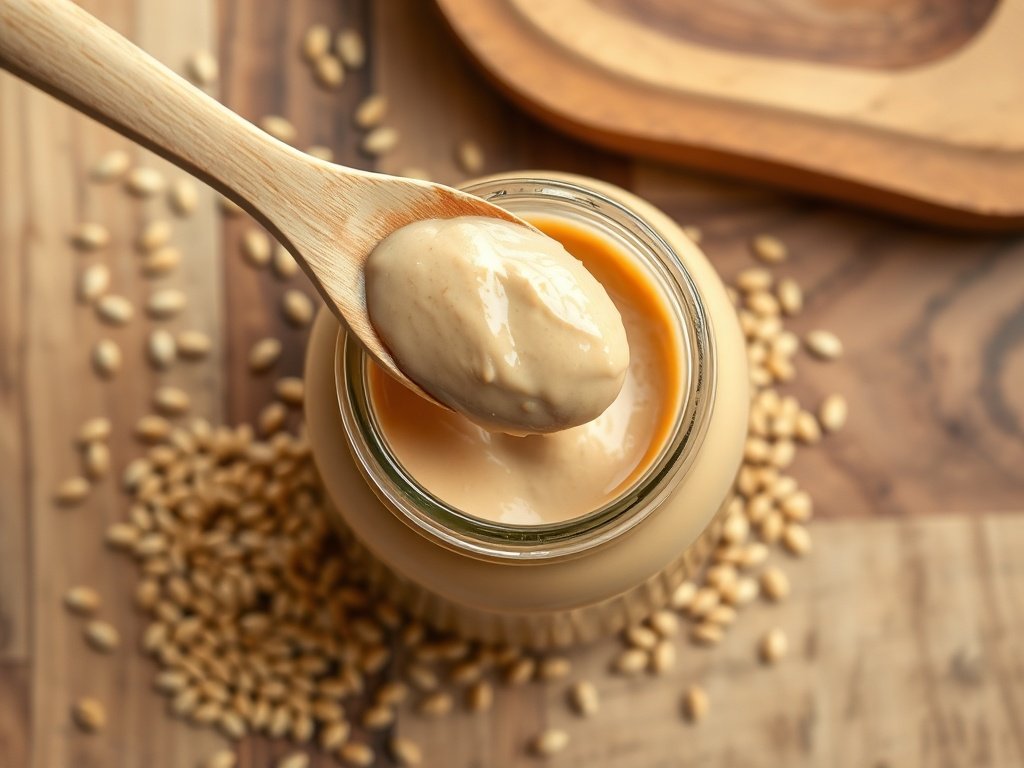
Tahhiini is a creamy paste made from finely ground sesame seeds, commonly used in Middle Eastern and Mediterranean cuisine. It is rich in healthy fats, plant-based protein, calcium, and antioxidants. Often added to hummus, sauces, and desserts, tahhiini supports heart health, bone strength, and digestion while offering a nutty flavor and smooth texture in both savory and sweet recipes.
Tahhiini is more than just a sesame seed paste; it is a nutrient-dense ingredient with deep culinary roots and powerful health benefits. Used widely in Middle Eastern, Mediterranean, and modern plant-based cooking, it delivers creamy texture, rich flavor, and essential nutrients like calcium, iron, and healthy fats. This guide explores its history, nutritional value, health advantages, culinary uses, storage tips, and buying advice. You will also learn how it supports heart health, bone strength, and overall wellness. Whether you want to enhance your cooking or improve your diet naturally, this comprehensive article provides everything you need to understand and use tahhiini effectively in daily life.
The Historical Origins and Cultural Significance of Tahhiini in Traditional Cuisines
Tahhiini has ancient roots stretching back thousands of years in Middle Eastern and Mediterranean regions. Sesame seeds were among the earliest cultivated oilseeds, valued for their flavor and nutritional richness. Historical records show their use in ancient Egypt and Mesopotamia as both food and medicine. Over time, grinding sesame seeds into paste became a culinary tradition. The ingredient evolved into a staple in regional dishes, symbolizing nourishment and hospitality. Its cultural importance remains strong today.
Understanding How Sesame Seeds Are Transformed into Creamy Tahhiini Paste
The process of making tahhiini begins with high-quality sesame seeds that are carefully cleaned and hulled. Some varieties use lightly roasted seeds to enhance flavor depth. The seeds are then stone-ground or mechanically crushed into a smooth, oily paste. No complex additives are required in traditional preparation. The natural oils released during grinding create the creamy consistency. The simplicity of production ensures that most nutritional properties remain intact and highly concentrated.
Nutritional Profile and Essential Vitamins Found in Sesame Paste
Sesame paste is dense in nutrients and beneficial plant compounds. It contains healthy unsaturated fats that support cardiovascular wellness. It also provides plant-based protein, making it valuable in vegetarian and vegan diets. Rich amounts of calcium contribute to bone strength and structural integrity. Iron and magnesium assist in energy production and muscle function. Antioxidants such as sesamin help combat oxidative stress. This impressive nutrient combination makes it a functional food.
Heart Health Benefits Linked to Healthy Fats and Antioxidants
One of the most recognized advantages of tahhiini is its contribution to heart health. The monounsaturated and polyunsaturated fats help maintain balanced cholesterol levels. These fats reduce harmful LDL cholesterol while supporting beneficial HDL cholesterol. Antioxidants found in sesame compounds help reduce inflammation in blood vessels. Regular moderate consumption may contribute to improved cardiovascular function. Including it in balanced meals supports long-term heart wellness naturally.
Bone Strength and Mineral Support from Natural Calcium Content
Sesame seeds are naturally high in calcium, which is essential for bone density and strength. Tahhiini retains much of this mineral during processing. Adequate calcium intake supports healthy teeth and skeletal structure. Magnesium works alongside calcium to enhance absorption and utilization. This makes it especially valuable for individuals seeking dairy-free calcium sources. Consistent intake can support long-term bone maintenance and structural health.
Role in Plant-Based Diets as a Rich Protein Alternative
For those following vegetarian or vegan lifestyles, sesame paste provides a reliable source of plant protein. Protein is necessary for muscle repair, immune function, and tissue development. Unlike many processed spreads, it contains no artificial protein isolates. The natural amino acid profile complements legumes and grains effectively. When combined with chickpeas or whole grains, it forms a more complete protein source. This makes it ideal for balanced plant-based nutrition.
Digestive Health and Fiber Contribution to Gut Balance
Although smooth in texture, sesame paste still contains beneficial dietary fiber. Fiber plays a crucial role in supporting healthy digestion and regular bowel movements. It also promotes beneficial gut bacteria growth. Healthy fats in the paste help improve nutrient absorption from other foods. Including moderate amounts in meals can support digestive balance. Its natural composition makes it gentle and nourishing for most individuals.
Culinary Uses in Savory Dishes Across Mediterranean Kitchens
In Mediterranean cuisine, tahhiini is widely used in savory sauces and dips. It forms the creamy base of hummus and baba ghanoush. Blended with lemon juice and garlic, it creates a versatile dressing for salads and roasted vegetables. It also enhances grilled meats and falafel. Its nutty flavor complements spices and herbs beautifully. This adaptability has helped it become globally popular.
Also read this: Sylveer: Complete Guide to Meaning, Benefits, Uses, and Modern Relevance
Sweet Applications and Modern Dessert Innovations Using Sesame Paste
Beyond savory dishes, sesame paste is increasingly used in desserts. It adds depth to cookies, cakes, and energy bars. When mixed with honey or date syrup, it creates a naturally sweet spread. The creamy consistency pairs well with chocolate flavors. Modern chefs incorporate it into smoothies and frostings. These creative uses highlight its versatility in both traditional and contemporary kitchens.
Comparing Hulled and Unhulled Varieties for Flavor and Nutrition
Hulled sesame paste is smoother and milder in taste, making it ideal for delicate recipes. Unhulled varieties retain the outer seed shell, offering stronger flavor and higher mineral content. The choice depends on culinary preference and nutritional goals. Unhulled options may contain more fiber and calcium. Hulled types blend more easily into sauces. Understanding the difference helps consumers select the best option.
Storage Tips and Shelf Life for Maintaining Freshness
Proper storage preserves quality and flavor. Sesame paste should be kept in a cool, dry place before opening. After opening, refrigeration is recommended to prevent oil separation. Stirring before use restores creamy consistency. Natural oil separation is normal and not a sign of spoilage. When stored correctly, it can last several months without losing nutritional value.
Potential Allergies and Safety Considerations for Consumers
Sesame is a recognized allergen in many countries. Individuals with sesame allergies should avoid products containing it. Always read ingredient labels carefully. For others, moderate consumption is generally safe and beneficial. Choosing high-quality, additive-free varieties reduces exposure to unnecessary preservatives. Consulting a healthcare professional is advisable if dietary concerns exist.
How to Choose High-Quality Sesame Paste in Local Markets
When purchasing, look for products with minimal ingredients, ideally just sesame seeds. The color should be light beige to golden brown depending on roasting level. Avoid options with excessive additives or artificial flavorings. Organic varieties may provide higher purity standards. Texture should be smooth and pourable. Quality selection ensures better taste and nutritional benefits.
Incorporating Tahhiini into Daily Meals for Balanced Nutrition
Adding tahhiini to daily meals is simple and practical. It can be drizzled over salads or mixed into grain bowls. Stirring it into soups enhances creaminess without dairy. It works well in breakfast smoothies for added richness. Even small servings provide substantial nutrients. Balanced use supports overall wellness without excess calorie intake.
Conclusion: Why Tahhiini Remains a Timeless Superfood Ingredient
Tahhiini continues to hold its place as a nutrient-rich, versatile ingredient with deep cultural roots. Its combination of healthy fats, minerals, protein, and antioxidants makes it valuable in modern diets. From savory sauces to sweet treats, its culinary flexibility is unmatched. With proper selection and storage, it offers lasting benefits. Incorporating it mindfully can enhance both flavor and nutrition. Its timeless appeal
FAQs (People Also Ask)
What is tahhiini made from?
It is made from finely ground sesame seeds, sometimes lightly roasted for enhanced flavor.
Is tahhiini healthy for daily consumption?
Yes, in moderate amounts it provides healthy fats, calcium, and plant protein that support overall wellness.
Does tahhiini help with heart health?
Its unsaturated fats and antioxidants may help maintain balanced cholesterol levels and reduce inflammation.
Can tahhiini be used in desserts?
Yes, it adds a creamy texture and nutty flavor to cookies, cakes, smoothies, and sweet spreads.
How should tahhiini be stored after opening?
It should be refrigerated and stirred before use to maintain freshness and consistency.
Is tahhiini suitable for vegans?
Yes, it is completely plant-based and widely used in vegan cooking.
What is the difference between hulled and unhulled tahhiini?
Hulled is smoother and milder, while unhulled contains more fiber and minerals with a stronger taste.
Fore more info: Foxmagazines.co.uk
