
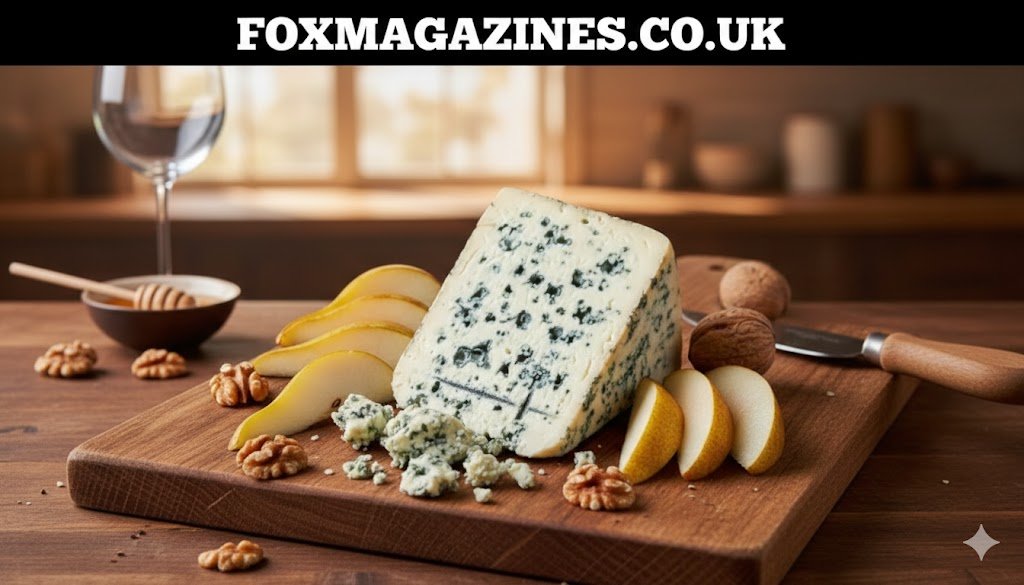
Masgonzola is a creamy blue-veined cheese that blends the rich softness of mascarpone with the bold character of gorgonzola. It has a smooth, spreadable texture and a mild yet tangy flavor, making it perfect for pasta, salads, gourmet sandwiches, and cheese boards. Its balanced taste appeals to both blue cheese lovers and beginners.
Masgonzola is an indulgent Italian-style cheese that combines two iconic dairy traditions into one luxurious experience. With the creamy sweetness of mascarpone and the sharp depth of blue cheese, it offers a perfectly balanced flavor profile. This article explores its taste, origin, texture, culinary uses, nutritional value, storage tips, and buying guidance. You will also learn how to cook with it creatively and how it compares to other cheeses in the gourmet category. Whether you are a home cook or a cheese enthusiast, this complete guide will help you understand everything about masgonzola and use it confidently in your kitchen.
What Is Masgonzola and Why Is It So Popular in Gourmet Cooking?
Masgonzola is a soft, creamy blue cheese made by blending mascarpone with gorgonzola to create a smooth and balanced dairy product. It offers the richness of fresh cream combined with subtle blue mold intensity. Unlike traditional blue cheeses that can be overpowering, this cheese delivers a gentle tang with buttery sweetness. Its popularity has grown in gourmet kitchens because it is versatile and approachable. Even those who usually avoid strong blue cheeses often enjoy its mild flavor and velvety texture.
The Unique Origin Story Behind This Italian-Inspired Cheese Blend
The concept behind masgonzola originates from Italy’s long-standing cheese culture. Italy is famous for cheeses like Mascarpone and Gorgonzola, both deeply rooted in regional traditions. By combining these two classics, cheesemakers created a product that satisfies diverse palates. The innovation reflects modern culinary creativity while respecting heritage techniques. The blend brings together northern Italy’s creamy dessert cheese and its bold blue specialty into a harmonious gourmet creation that feels both traditional and contemporary.
Flavor Profile: Creamy Sweetness Meets Gentle Blue Tang
The flavor of this cheese is beautifully balanced. The mascarpone component provides a sweet, milky richness that softens the sharpness of blue veins. Meanwhile, gorgonzola adds a delicate earthy tang without overwhelming the palate. The result is smooth, slightly salty, mildly pungent, and pleasantly creamy. It melts easily and spreads effortlessly, making it ideal for both cooking and direct serving. The taste evolves as it warms to room temperature, revealing deeper nutty undertones and a luxurious mouthfeel.
Texture and Appearance: Understanding Its Spreadable Soft Consistency
One of the most distinctive characteristics of masgonzola is its texture. It is soft, creamy, and easily spreadable, almost like whipped butter with subtle blue marbling. The appearance features white and pale cream tones with delicate blue-green veins running through it. Unlike firmer aged blue cheeses, it does not crumble easily. Its smooth consistency allows it to blend seamlessly into sauces or spreads, making it extremely user-friendly for home cooks experimenting with gourmet flavors.
Culinary Uses in Pasta, Risotto, and Creamy Sauces
This cheese shines when incorporated into warm dishes. When stirred into hot pasta, it melts quickly and forms a silky sauce without requiring heavy cream. It enhances risotto by adding depth and richness while maintaining a smooth finish. In white sauces for chicken or vegetables, it delivers complexity without overpowering other ingredients. Its balanced taste means you can use it confidently in comfort foods, transforming simple meals into restaurant-style dishes with minimal effort.
Perfect Pairings: Bread, Fruits, and Wine Combinations That Elevate Flavor
Masgonzola pairs beautifully with crusty artisan bread, toasted baguette slices, and whole-grain crackers. Fresh fruits such as pears, figs, and apples complement its creamy tang with natural sweetness. Nuts like walnuts enhance its earthy tones. When it comes to beverages, medium-bodied red wines and slightly sweet white wines balance its saltiness. Sparkling wines also create a refreshing contrast. These pairings make it an excellent choice for elegant cheese boards and entertaining guests.
Also read this: Smoothiepussit Benefits, Uses, Storage Tips, and Healthy Lifestyle Guide
Nutritional Value and Health Considerations for Cheese Lovers
Like most soft cheeses, this variety contains healthy fats, calcium, and protein. It provides energy and supports bone health due to its dairy content. However, it also contains saturated fat and sodium, so moderation is important. Because it blends mascarpone, it may be richer in fat than traditional blue cheese. Individuals who are lactose sensitive should check tolerance levels. When consumed mindfully, it can be part of a balanced diet without compromising nutritional goals.
How to Store Masgonzola Properly to Maintain Freshness
Proper storage ensures optimal flavor and safety. Keep it refrigerated at a consistent temperature and wrap it tightly in parchment or wax paper before placing it in an airtight container. This prevents excess moisture loss and protects other foods from absorbing its aroma. Avoid freezing, as it can damage the creamy texture. For the best taste experience, allow it to sit at room temperature for about twenty minutes before serving.
Buying Guide: What to Look for in Quality Masgonzola Cheese
When purchasing, examine the texture and aroma. A high-quality product should appear creamy and evenly marbled with blue veins. The smell should be pleasantly tangy but not overly sharp. Avoid cheese that looks dried out or excessively watery. Freshness matters significantly because its delicate blend can spoil faster than aged cheeses. Purchasing from reputable cheese counters ensures better quality and proper storage handling before it reaches your kitchen.
Differences Between Traditional Blue Cheese and This Creamy Blend
Traditional blue cheeses tend to be firmer, saltier, and more pungent. They often have a crumbly structure and strong aroma. In contrast, masgonzola offers a milder experience with a smooth texture. The mascarpone element reduces sharpness and adds sweetness. This makes it more approachable for beginners while still satisfying experienced cheese enthusiasts. The difference lies primarily in balance, creaminess, and versatility in both cold and hot dishes.
Cooking Tips for Beginners Who Want to Experiment Safely
If you are new to cooking with blue-veined cheeses, start with small amounts. Stir it into warm dishes gradually to control flavor intensity. Because it melts quickly, avoid overheating to prevent separation. Combine it with neutral ingredients like cream, butter, or pasta water to create smooth sauces. Tasting as you cook helps achieve perfect seasoning since it already contains salt. These simple techniques ensure delicious results without overwhelming flavors.
Entertaining Ideas: Using It for Gourmet Appetizers at Home
For gatherings, spread it on crostini and top with caramelized onions or honey drizzle for contrast. Stuff it inside mushrooms before baking for a rich appetizer. Blend it into dips for fresh vegetables or crackers. Its creamy nature makes preparation easy and elegant. Guests appreciate its balanced taste, especially those hesitant about strong blue cheeses. Presentation with fresh herbs enhances both aroma and visual appeal.
Common Mistakes People Make While Serving Soft Blue Cheeses
Many people serve it straight from the refrigerator, which mutes its flavor. Allowing it to rest at room temperature improves aroma and texture significantly. Another mistake is pairing it with overly strong ingredients that overshadow its delicate balance. Overcooking can also cause oil separation. Storing it improperly leads to dryness or spoilage. Being mindful of these details preserves its quality and ensures the best tasting experience.
Why Masgonzola Is Gaining Popularity Among Modern Food Enthusiasts
Modern consumers seek balanced flavors that are bold yet approachable. Masgonzola meets this demand by combining tradition with innovation. Social media food trends have also contributed to its rise, as chefs showcase creamy pasta dishes and elegant cheese boards. Its versatility in both everyday cooking and fine dining makes it attractive. The blend satisfies adventurous eaters while remaining accessible to those new to blue cheese flavors.
Conclusion: Everything You Need to Know Before Trying Masgonzola
Masgonzola stands out as a unique fusion of creamy mascarpone and tangy gorgonzola, offering smooth texture and balanced flavor. It works beautifully in pasta, appetizers, and cheese boards while remaining beginner-friendly. Proper storage, thoughtful pairing, and moderate consumption enhance the experience. Whether you are experimenting in your kitchen or hosting guests, this versatile cheese brings gourmet quality with minimal effort. Understanding its origin, taste, and uses allows you to enjoy it confidently and creatively.
FAQs (People Also Ask)
What does masgonzola taste like?
It tastes creamy and mildly tangy with subtle blue cheese notes balanced by sweet, buttery richness.
Is masgonzola stronger than regular blue cheese?
No, it is generally milder because mascarpone softens the sharpness of traditional blue cheese.
Can I use it in pasta recipes?
Yes, it melts smoothly and creates a rich, creamy sauce perfect for pasta and risotto.
How should I store this cheese?
Keep it refrigerated, wrapped in parchment paper, and stored in an airtight container.
Is it suitable for cheese boards?
Absolutely, its balanced flavor makes it ideal for serving with fruits, bread, and wine.
Does it contain high fat?
It is relatively high in fat due to mascarpone, so it should be enjoyed in moderation.
Can beginners enjoy this type of blue cheese?
Yes, its mild and creamy profile makes it approachable even for those new to blue cheeses.
Fore more info: Foxmagazines.co.uk
