
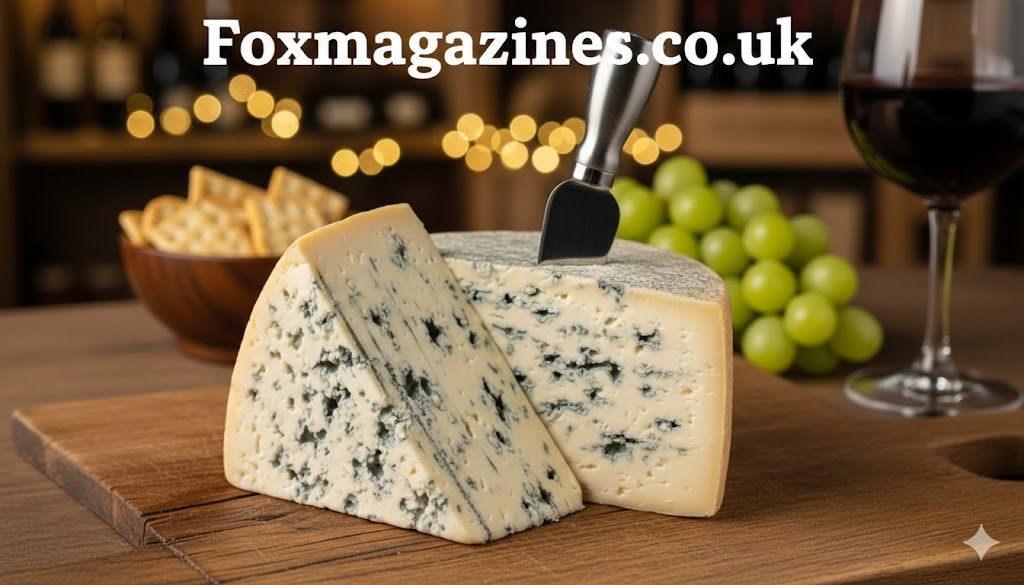
Masgonzola is a premium artisan cheese renowned for its rich, creamy texture and subtly complex flavors. Loved by cheese enthusiasts, it balances nutty, tangy, and slightly sweet notes, making it perfect for tasting, cooking, or pairing with wines and fruits. Its unique craftsmanship and natural aging process set it apart from conventional cheeses, offering a gourmet experience that truly delights the palate.
Masgonzola is an exceptional artisan cheese prized for its smooth texture, balanced flavors, and artisanal production. It is crafted using traditional methods that preserve natural ingredients while creating a rich taste profile that appeals to cheese lovers worldwide. From savory pairings to sweet accompaniments, Masgonzola elevates culinary experiences with every bite. Ideal for cooking, tasting, or entertaining guests, it stands out due to its careful aging and handcrafted process. This article explores everything about Masgonzola, including its taste, uses, history, and pairing suggestions. Readers will discover practical insights and tips to fully enjoy this gourmet cheese while understanding why it has become a favorite among connoisseurs.
Introduction to Masgonzola Cheese
Masgonzola is a premium artisan cheese that stands out due to its unique flavor and creamy texture. Unlike mass-produced cheeses, it is handcrafted using traditional methods that emphasize quality and natural ingredients. Each wheel of Masgonzola reflects the dedication of cheesemakers, resulting in a product that delights both the eyes and the palate. Its rich aroma and balanced taste make it a favorite among gourmet enthusiasts. Whether enjoyed on a cheese board, in recipes, or paired with wines, Masgonzola provides an exceptional culinary experience that showcases the artistry behind artisan cheeses.
The Artisanal Craft of Masgonzola
The process of making Masgonzola involves meticulous attention to detail at every step. Cheesemakers select the finest milk and combine it with natural cultures and rennet, allowing it to develop complex flavors over time. Aging plays a crucial role, as it enhances the cheese’s creamy consistency while deepening its taste profile. Unlike industrial cheeses, Masgonzola is handled with care to preserve its delicate textures and nuanced flavors. This artisanal approach ensures that each bite delivers a gourmet experience, reflecting the tradition and craftsmanship that define high-quality cheeses in today’s culinary world.
Flavor Profile and Texture
Masgonzola’s flavor profile is a harmonious blend of nutty, tangy, and slightly sweet notes. Its creamy texture melts gently on the tongue, offering a luxurious sensation with every bite. Subtle hints of earthiness and mild saltiness add depth without overpowering the palate. This balance makes it versatile, suitable for direct tasting or incorporating into dishes. The texture varies from semi-soft to firm, depending on the aging period, allowing for a range of culinary applications. Cheese lovers often appreciate Masgonzola for its complexity and refined taste, which stands apart from conventional cheeses found in supermarkets.
Culinary Uses of Masgonzola
Masgonzola is highly versatile in the kitchen. It can enhance salads, sandwiches, and pasta dishes, adding a gourmet twist to everyday meals. Chefs also incorporate it into risottos or melted over roasted vegetables, bringing rich flavor and creaminess. For entertaining, Masgonzola pairs beautifully with fruits like figs, pears, and grapes, creating a sophisticated cheese board. Its adaptability allows both casual cooks and professional chefs to experiment with flavors while highlighting the cheese’s natural richness. With Masgonzola, simple dishes transform into memorable culinary experiences, making it a must-have ingredient for those who enjoy elevated cuisine.
Wine and Beverage Pairings
Pairing Masgonzola with the right wine enhances its taste and overall enjoyment. White wines like Chardonnay or Sauvignon Blanc complement its creamy texture and mild tang. Red wines such as Pinot Noir or Merlot highlight the subtle nuttiness in the cheese. For non-alcoholic options, apple cider or pear juice also balances its flavor beautifully. The right pairing amplifies both the cheese and the beverage, creating a multi-layered taste experience. Wine enthusiasts and casual tasters alike can appreciate how Masgonzola transforms a simple snack into a sophisticated tasting session that delights the senses.
Masgonzola in Cooking
In cooking, Masgonzola excels in both hot and cold dishes. It can be crumbled over pizzas, blended into creamy sauces, or incorporated into baked dishes for richness. Its melting quality ensures even distribution of flavor, enhancing soups, casseroles, and gratins. Chefs favor it for its ability to elevate standard recipes into gourmet experiences. Even simple preparations like spreading it on crusty bread can deliver maximum taste impact. Cooking with Masgonzola allows both flavor enhancement and presentation benefits, making it a versatile choice for anyone aiming to impress through food.
Health and Nutritional Aspects
Masgonzola contains essential nutrients found in cheese, including protein, calcium, and vitamins A and B12. While it is rich and flavorful, moderate consumption fits well within a balanced diet. Its artisanal production often involves fewer additives compared to mass-produced cheeses, which may appeal to health-conscious individuals. The cheese’s natural fermentation can also contribute beneficial probiotics, aiding digestion. While indulgent, enjoying Masgonzola mindfully allows for both pleasure and nourishment. Understanding its nutritional profile helps consumers appreciate the cheese not just for taste, but also as part of a wholesome eating plan.
Also read this: Understanding FUPA: Causes, Solutions, and Effective Ways to Reduce It Naturally
History and Origins
Masgonzola’s origins trace back to traditional European cheesemaking practices. Developed by artisans who emphasized high-quality milk and natural fermentation, it has a heritage rooted in craftsmanship. Over generations, these methods refined the cheese’s flavor, texture, and consistency. Today, Masgonzola represents a fusion of tradition and contemporary taste preferences, retaining authenticity while appealing to modern consumers. Its history adds value beyond flavor, connecting cheese lovers with the story and culture behind each wheel. Appreciating Masgonzola fully involves understanding the care and dedication involved in its creation over decades.
How to Store Masgonzola
Proper storage preserves Masgonzola’s flavor and texture. Cheese should be wrapped in parchment paper and stored in a cool, humid environment such as a cheese drawer or refrigerator. Avoid plastic wrap, which can trap moisture and affect taste. For longer storage, vacuum sealing is an option, but fresh consumption is always preferred to enjoy the full flavor profile. Allowing the cheese to reach room temperature before serving enhances its creaminess and aroma. Correct storage ensures that Masgonzola maintains its quality, enabling cheese lovers to savor every bite as intended by the artisan makers.
Serving Suggestions
Masgonzola shines when served thoughtfully. Pair it with crusty bread, nuts, and fresh fruit for a simple yet elegant platter. For meals, crumble it over roasted vegetables, pasta, or salads to add depth and richness. Even a small amount enhances dishes without overpowering them. Presentation also matters; serving on wooden boards or with decorative garnishes can elevate the experience. By considering texture, temperature, and pairing, you can maximize Masgonzola’s appeal. Proper serving transforms the cheese from a simple ingredient to the centerpiece of a gourmet tasting session.
Masgonzola for Entertaining
Hosting guests? Masgonzola is perfect for cheese boards and appetizers. Its unique flavor sparks conversation and offers an accessible gourmet element. Combine with complementary items like olives, dried fruits, and honey for varied taste experiences. Its versatility accommodates both casual gatherings and formal events. Whether paired with wine or served with charcuterie, it elevates the presentation and flavor of entertaining spreads. Cheese lovers appreciate the artisan quality, making Masgonzola a show-stopping addition that impresses without requiring elaborate preparation.
Pairing with Fruits and Nuts
Sweet and savory combinations bring out the best in Masgonzola. Pears, figs, and grapes enhance its subtle sweetness, while walnuts or almonds complement the nutty undertones. This balance between richness and freshness provides a multi-dimensional tasting experience. Ideal for cheese boards or snack platters, pairing with fruits and nuts allows the cheese to shine alongside complementary textures and flavors. Experimenting with pairings helps discover preferred combinations, making Masgonzola a favorite for creative culinary exploration and sensory enjoyment.
Masgonzola in Modern Cuisine
Contemporary chefs increasingly use Masgonzola to add flair to modern dishes. From gourmet pizzas to innovative desserts, its versatility allows culinary experimentation. Creative plating and fusion recipes highlight its taste and texture. By integrating Masgonzola thoughtfully, chefs elevate both aesthetics and flavor, bridging traditional artisan qualities with modern cuisine trends. The cheese’s adaptability ensures it remains relevant in fine dining and casual cooking, appealing to both professional kitchens and home cooks seeking to explore gourmet options.
Buying Guide
When purchasing Masgonzola, quality matters. Look for cheese labeled as artisan or handcrafted, with clear information on milk type and aging process. Avoid mass-produced imitations that may lack depth and texture. Purchasing from reputable vendors ensures authentic flavor and safety. For first-time buyers, sampling smaller portions allows for experimentation before committing to larger wheels. Understanding origin, craftsmanship, and storage tips guarantees a satisfying experience, ensuring each purchase delivers the rich, creamy taste that defines Masgonzola and makes it a standout among cheeses.
Conclusion
Masgonzola is more than just cheese; it is a gourmet experience crafted for flavor and texture perfection. Its artisanal process, versatile culinary uses, and ability to pair with wines, fruits, and nuts make it a favorite among cheese enthusiasts. Understanding its origin, storage, and serving methods ensures maximum enjoyment. Whether used in cooking or served on a cheese board, Masgonzola delivers a refined taste that satisfies both casual tasters and gourmet connoisseurs alike. Indulging in Masgonzola means savoring tradition, quality, and exceptional flavor.
FAQs About Masgonzola
- What is Masgonzola?
Masgonzola is an artisan cheese known for its creamy texture and balanced flavor. - How should I store Masgonzola?
Wrap in parchment paper and refrigerate in a cool, humid environment. - Can Masgonzola be used in cooking?
Yes, it melts well in sauces, pastas, and baked dishes. - Which fruits pair well with Masgonzola?
Pears, figs, and grapes complement its sweet and nutty notes. - What wines go with Masgonzola?
Chardonnay, Sauvignon Blanc, Pinot Noir, and Merlot enhance its flavors. - Is Masgonzola healthy?
It provides protein, calcium, and vitamins; moderate consumption fits a balanced diet. - Where can I buy authentic Masgonzola?
Purchase from artisan cheesemakers or trusted specialty stores for genuine quality.
Fore more info: Foxmagazines.co.uk
