
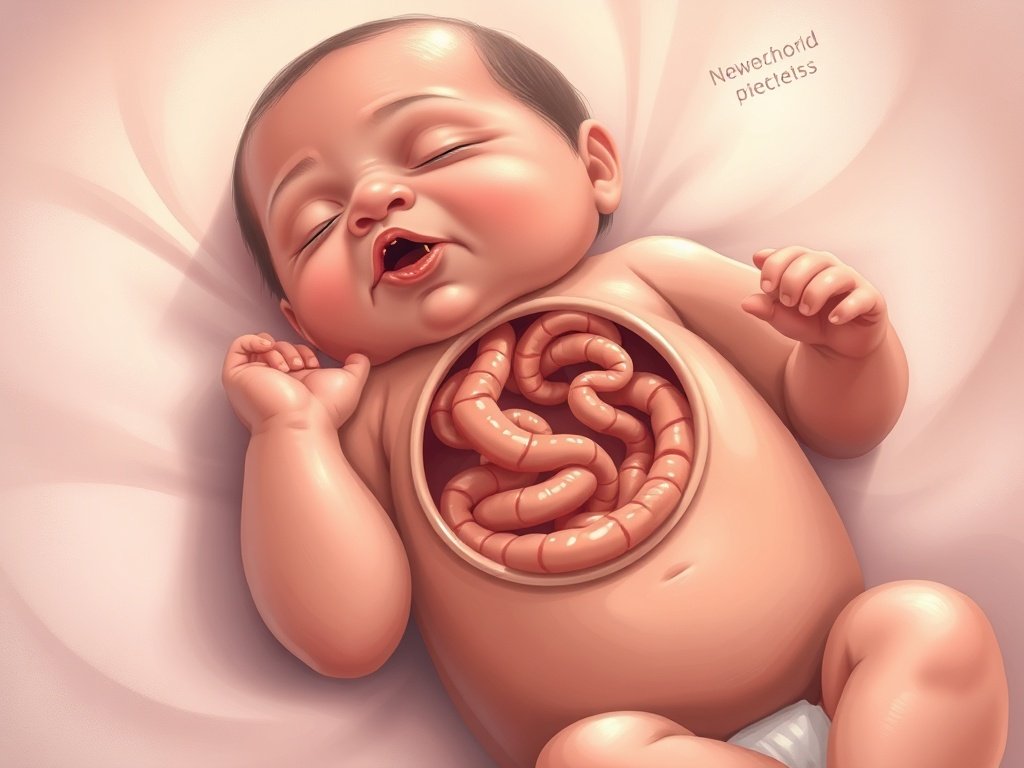
Gastroshiza is a rare birth defect in which a baby is born with intestines outside the body through a small hole near the belly button. It develops early in pregnancy and requires immediate surgery after birth. With modern neonatal care and proper treatment, most babies survive and grow normally, although careful monitoring and follow-up care are essential.
Gastroshiza is a serious but treatable congenital condition that affects newborn babies. It occurs when the abdominal wall does not close completely during fetal development, leaving the intestines exposed outside the body. This condition is usually diagnosed during pregnancy through ultrasound. Immediate medical intervention after birth is crucial to protect the organs and prevent infection. Advances in neonatal surgery have significantly improved survival rates. However, parents often worry about complications, feeding challenges, and long-term development. This article explains everything in simple, clear language, from causes and diagnosis to treatment, recovery, and lifelong outlook, helping families understand what to expect and how to prepare.
Understanding Gastroshiza and How This Congenital Abdominal Defect Develops
Gastroshiza is a congenital abdominal wall defect that forms during early pregnancy when the baby’s abdominal muscles fail to close properly. This opening usually appears on the right side of the belly button. Because of this gap, the intestines develop outside the baby’s body without protective covering. The exposed bowel floats freely in amniotic fluid, which can irritate and inflame it. This condition is different from other abdominal wall disorders because there is no protective sac surrounding the organs, making immediate care after birth extremely important.
How Early Pregnancy Development Leads to Abdominal Wall Openings
During the first trimester, the fetal abdominal wall normally forms and closes as organs move into their proper position. If blood flow disruption or developmental interruption occurs, the abdominal wall may not seal completely. Researchers believe vascular compromise plays a significant role in this defect. Environmental influences and genetic predisposition may also contribute. When closure fails, the intestines remain outside the body cavity. Understanding this early developmental stage helps doctors monitor high risk pregnancies and prepare specialized care teams before delivery.
Common Causes and Risk Factors Associated with This Condition
Although the exact cause remains uncertain, several risk factors are linked to this birth defect. Young maternal age, particularly teenage pregnancies, shows higher incidence rates. Smoking, alcohol exposure, and certain medications during pregnancy may increase risk. Nutritional deficiencies and environmental toxins are also being studied. However, many mothers of affected babies have no known risk factors, which can make the diagnosis emotionally overwhelming. Research continues worldwide to better understand why this condition develops and how prevention strategies might reduce future cases.
Signs and Symptoms Observed Immediately After Birth
The most obvious sign at birth is visible intestines protruding from the abdominal opening. The exposed bowel may appear swollen or thickened due to irritation from amniotic fluid. Babies may also experience difficulty regulating body temperature and fluid balance. Because the organs are unprotected, there is a higher risk of infection and dehydration. Immediate stabilization in a neonatal intensive care unit is essential. Doctors cover the intestines with sterile materials and begin preparing for surgical repair as soon as possible.
How Prenatal Ultrasound Helps in Early Diagnosis and Planning
Most cases are detected during routine prenatal ultrasound examinations. Sonographers can clearly see loops of intestine floating outside the baby’s abdomen. Elevated maternal serum alpha fetoprotein levels may also signal an abdominal wall defect. Early diagnosis allows doctors to plan delivery at a hospital equipped with neonatal surgical facilities. Parents receive counseling from pediatric surgeons and neonatologists before birth. This preparation reduces panic and ensures immediate specialized care once the baby is delivered.
Differences Between Gastroshiza and Omphalocele Explained Clearly
Many people confuse this condition with omphalocele, another abdominal wall defect. The key difference is the absence of a protective sac in gastroshiza. In omphalocele, organs are covered by a thin membrane and often associated with chromosomal abnormalities. Gastroshiza usually occurs without major genetic syndromes. Babies with this condition often have isolated intestinal involvement rather than multiple organ complications. Understanding this distinction helps parents better grasp the prognosis and medical approach required after birth.
Surgical Treatment Options and Immediate Postnatal Management
Surgery is the primary treatment. In mild cases, doctors gently place the intestines back into the abdominal cavity and close the opening within hours of birth. In more complex situations, a temporary sterile pouch called a silo is used. This pouch gradually returns the intestines into the abdomen over several days. Once the organs are repositioned, surgeons close the defect. The timing depends on bowel swelling and the baby’s stability. Careful monitoring continues in the intensive care unit.
Also read this: Tahhiini Complete Guide to Origins, Benefits, Uses, Nutrition
Neonatal Intensive Care Support and Feeding Challenges
After surgery, babies often require ventilator support and intravenous nutrition. The intestines may take time to function normally because exposure to amniotic fluid can cause inflammation. Total parenteral nutrition provides essential nutrients while the bowel heals. Gradually, small amounts of milk are introduced. Feeding intolerance, vomiting, or slow digestion can occur initially. With patience and medical guidance, most infants transition to regular feeding. Parents learn specialized care techniques before discharge from the hospital.
Potential Complications and How Doctors Manage Them
Complications can include bowel obstruction, infection, or short bowel syndrome if portions of intestine are damaged. Careful monitoring reduces these risks significantly. Advances in neonatal surgery have lowered mortality rates dramatically over the past decades. Some babies may experience prolonged hospitalization due to feeding difficulties. However, with experienced medical teams, outcomes continue to improve. Early intervention and consistent follow up appointments play a crucial role in identifying and managing complications before they become serious problems.
Long Term Growth and Development Outcomes for Affected Children
Most children grow and develop normally after recovery. Once feeding stabilizes and weight gain improves, long term outlook is generally positive. Some may experience mild digestive sensitivity during early childhood. Regular pediatric evaluations ensure proper growth milestones are achieved. Emotional development and cognitive skills typically remain unaffected. Families often find reassurance in seeing their child reach normal developmental stages. With modern medical advancements, survival rates exceed ninety percent in well equipped healthcare settings.
Emotional Impact on Parents and Importance of Counseling Support
Receiving a prenatal diagnosis can cause intense anxiety for parents. Feelings of guilt, confusion, and fear are common reactions. Counseling and support groups help families understand that this condition is rarely caused by anything they did. Open communication with healthcare providers builds trust and confidence. Meeting pediatric surgeons before delivery often eases uncertainty. Emotional resilience grows when parents receive clear information and reassurance about survival rates and treatment success.
Delivery Planning and Why Specialized Hospitals Matter
Delivery is usually planned at tertiary care centers with neonatal intensive care units and pediatric surgeons available immediately. Vaginal delivery is often possible unless obstetric complications require cesarean section. Timing of birth depends on fetal growth and bowel condition. Close prenatal monitoring ensures optimal outcomes. Coordinated teamwork between obstetricians and neonatologists reduces risks at delivery. Choosing the right hospital significantly improves early stabilization and surgical success.
Advances in Medical Research Improving Survival Rates
Medical research continues to refine surgical techniques and postoperative care strategies. Improved neonatal nutrition protocols and infection control methods enhance recovery. Studies are exploring preventive strategies and better understanding of vascular causes. International collaboration has led to standardized treatment guidelines. These advancements mean that babies diagnosed today have far better survival chances than decades ago. Ongoing research provides hope for even safer interventions and reduced complications in the future.
Nutrition and Follow Up Care During Early Childhood
After hospital discharge, routine pediatric follow up remains essential. Doctors monitor weight gain, bowel habits, and developmental milestones. Some children require temporary dietary adjustments to ease digestion. Most gradually adapt to regular feeding patterns without long term dietary restrictions. Parents are educated about warning signs such as persistent vomiting or abdominal swelling. Early medical attention ensures continued healthy growth. Consistent monitoring supports full recovery and strong overall development.
Conclusion: Understanding Gastroshiza and Hope for Healthy Futures
Gastroshiza is a serious but highly treatable birth defect that requires prompt surgical care and specialized neonatal support. Early diagnosis through prenatal ultrasound allows careful delivery planning and immediate intervention. Although initial recovery may involve feeding challenges and intensive monitoring, most children go on to live healthy, normal lives. With medical advances, survival rates are strong and outcomes continue to improve. Education, emotional support, and expert care together provide families with confidence and hope for a healthy future.
FAQs (People Also Ask)
What causes gastroshiza during pregnancy?
The exact cause is unknown, but it is linked to early fetal abdominal wall development problems, young maternal age, and possible environmental factors.
Can gastroshiza be detected before birth?
Yes, it is usually diagnosed during routine prenatal ultrasound examinations in the second trimester.
Is surgery always required after delivery?
Yes, surgical repair is necessary to place the intestines back into the abdomen and close the opening.
Do babies with this condition survive?
With modern medical care, survival rates are very high, especially in specialized hospitals.
Is gastroshiza a genetic disorder?
It is typically not associated with chromosomal abnormalities and usually occurs as an isolated condition.
How long do babies stay in the hospital?
Hospital stays vary but often range from several weeks to allow feeding and recovery after surgery.
Can children live normal lives after treatment?
Yes, most children grow normally and lead healthy lives with proper medical follow up.
Fore more info: Foxmagazines.co.uk
