
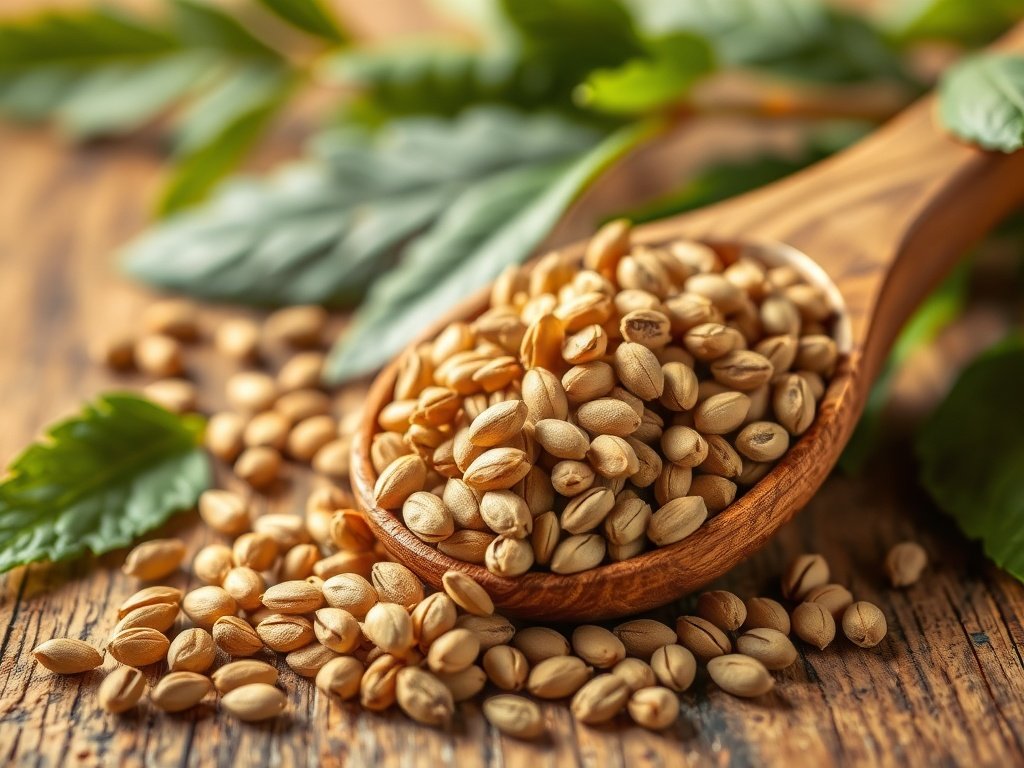
Foenegriek, also known as fenugreek, is a versatile herb used in cooking, medicine, and wellness. Its seeds and leaves are rich in fiber, vitamins, and minerals, offering benefits like improved digestion, blood sugar control, and enhanced lactation. Widely popular in Mediterranean, Indian, and Middle Eastern cuisines, foenegriek can be consumed as seeds, powder, or tea for daily nutritional and therapeutic support.
Foenegriek is a remarkable plant that has been valued for centuries for its culinary and medicinal properties. From traditional Indian dishes to modern health supplements, its seeds and leaves are packed with essential nutrients, including vitamins, minerals, and antioxidants. Regular consumption of foenegriek can support digestion, balance blood sugar, reduce inflammation, and even improve heart and skin health. This guide explores its history, nutritional profile, uses, and practical applications for everyday wellness.
Origins and Historical Significance of Foenegriek
Foenegriek has a rich history dating back thousands of years, originally cultivated in the Mediterranean, North Africa, and South Asia. Ancient civilizations, including Egyptians and Greeks, recognized its medicinal value for digestive issues and general wellness. It spread to Europe and Asia through trade routes, becoming integral in traditional medicine systems like Ayurveda and Unani. Today, foenegriek is valued globally not only for culinary applications but also for its therapeutic potential. Its historical relevance underscores the enduring trust in this natural herb.
Nutritional Profile of Foenegriek
The seeds of foenegriek are highly nutritious, containing protein, fiber, and essential minerals such as iron, magnesium, and manganese. They also have B vitamins and vitamin C, contributing to overall health. The leaves, both fresh and dried, provide antioxidants and additional vitamins. The high fiber content aids digestion and supports gut health, while the protein content makes it an excellent supplement for plant-based diets. Understanding its nutritional profile helps in maximizing foenegriek’s health benefits through regular dietary inclusion.
Culinary Uses of Foenegriek
Foenegriek is widely used in culinary practices for its slightly bitter, nutty flavor. In Indian cuisine, it is added to curries, pickles, and spice blends like garam masala. In Mediterranean dishes, it enhances soups, stews, and bread recipes. The seeds can be roasted, ground, or soaked, while fresh leaves are used as herbs. Beyond flavor, cooking with foenegriek can increase the nutritional content of meals, making it a practical choice for health-conscious food lovers seeking both taste and wellness benefits.
Foenegriek and Digestive Health
Foenegriek seeds have traditionally been used to support digestion. Their soluble fiber content helps regulate bowel movements and improve gut flora balance. Studies suggest that foenegriek can alleviate constipation, bloating, and indigestion. Consuming soaked seeds or foenegriek tea may provide gentle relief for digestive discomforts. Incorporating foenegriek into meals not only enhances flavor but also supports long-term gastrointestinal health, making it an effective natural option for those seeking to maintain a healthy digestive system.
Blood Sugar Regulation Benefits
Research indicates that foenegriek can help regulate blood sugar levels, making it beneficial for people with prediabetes or type 2 diabetes. The seeds contain compounds that improve insulin sensitivity and reduce post-meal glucose spikes. Foenegriek supplements, powder, or soaked seeds may be consumed under medical guidance for managing blood sugar. Its role in glucose control is an example of how natural remedies complement modern dietary strategies for metabolic health, highlighting foenegriek’s value beyond just culinary uses.
Supporting Heart Health
Foenegriek may contribute to cardiovascular wellness by lowering cholesterol and triglyceride levels. Its soluble fiber binds to cholesterol in the digestive tract, reducing absorption and promoting healthy blood lipid levels. Antioxidants in foenegriek also help combat oxidative stress, which is linked to heart disease. Regular inclusion of foenegriek in meals or as a supplement can be part of a heart-friendly lifestyle, alongside exercise and balanced nutrition, promoting overall cardiovascular health naturally and effectively.
Anti-Inflammatory and Antioxidant Properties
The bioactive compounds in foenegriek, including flavonoids and polyphenols, provide anti-inflammatory and antioxidant benefits. These properties may help reduce chronic inflammation, support joint health, and protect cells from oxidative damage. Consuming foenegriek regularly can complement other antioxidant-rich foods, contributing to overall wellness and disease prevention. Its natural anti-inflammatory effects make it a valuable herb for those seeking a holistic approach to maintaining health and preventing lifestyle-related ailments.
Enhancing Lactation in Nursing Mothers
Foenegriek is widely recognized for its galactagogue properties, which can enhance milk production in nursing mothers. Studies and traditional practices suggest that consuming foenegriek seeds or supplements may support lactation naturally. While results vary, many mothers report improved milk supply after incorporating foenegriek into their diet. Consulting healthcare professionals ensures safe usage, particularly regarding dosage and preparation. This unique benefit highlights foenegriek’s practical applications in maternal health and traditional herbal medicine.
Foenegriek in Skin and Hair Care
Topical and dietary use of foenegriek may improve skin and hair health. Its antioxidant and anti-inflammatory compounds can reduce skin irritation, promote hydration, and support a healthy scalp. Traditional practices involve foenegriek pastes or oils for nourishing hair and improving shine. Consuming foenegriek also provides vitamins and minerals that support skin elasticity and hair strength from within, making it a holistic addition to beauty routines and natural wellness practices.
Forms and Preparation Methods
Foenegriek is versatile in form: seeds, powder, capsules, and leaves. Seeds can be soaked, roasted, or ground for culinary or medicinal use. Leaves are often used fresh or dried as a herb. Tea infusions provide a gentle method to consume foenegriek for digestive and health benefits. Choosing the right form depends on intended use, whether for cooking, supplementation, or topical application. Proper preparation enhances bioavailability and maximizes its therapeutic and nutritional benefits.
Also read this: Езиково значение: Пълно ръководство за значение, употреба и контекст
Safety and Precautions
While foenegriek is generally safe for most people, excessive consumption may cause gastrointestinal discomfort or allergic reactions. Pregnant women should consult healthcare providers before use, as high doses could affect uterine activity. Blood sugar-lowering effects may interact with medications, so monitoring is advised for diabetics. Moderation and professional guidance ensure safe use while enjoying foenegriek’s numerous health benefits, highlighting the importance of responsible supplementation in daily wellness routines.
Integrating Foenegriek into Daily Diet
Incorporating foenegriek into daily meals is simple and effective. Add seeds to curries, soups, or bread, sprinkle leaves over salads, or enjoy tea infusions. Gradual inclusion helps the body adapt and reduces potential side effects. Combining foenegriek with a balanced diet enhances its health benefits while promoting flavor and culinary diversity. Regular, mindful consumption ensures that the herb contributes meaningfully to overall wellness, digestion, and metabolic support.
Global Popularity and Market Trends
Foenegriek has gained global recognition due to its versatility and health benefits. It is now widely available in supermarkets, health stores, and online marketplaces as seeds, powders, capsules, or teas. Culinary enthusiasts and wellness communities continue to embrace foenegriek for both traditional and modern applications. Growing interest in plant-based nutrition and herbal medicine further fuels its demand, positioning foenegriek as a valuable ingredient in contemporary diets and holistic health practices.
Environmental and Agricultural Aspects
Foenegriek is relatively easy to cultivate, requiring well-drained soil and moderate climate conditions. Its cultivation supports sustainable farming due to low water requirements and nitrogen-fixing properties, improving soil fertility. This makes it an environmentally friendly crop suitable for organic and small-scale farming. Understanding agricultural aspects ensures consistent supply for culinary and medicinal use while contributing to ecological sustainability and biodiversity, reflecting foenegriek’s broader role in food systems.
Conclusion
Foenegriek is a multifaceted herb with culinary, medicinal, and wellness applications. Its seeds and leaves provide essential nutrients, antioxidants, and bioactive compounds that support digestion, blood sugar balance, heart health, and lactation. Versatile in form and easy to integrate into meals, foenegriek continues to be valued across cultures for its health-promoting properties. Incorporating it thoughtfully into daily routines offers a natural, holistic approach to enhancing well-being and sustaining long-term health.
FAQs about Foenegriek
Q1: What is foenegriek used for?
A1: Foenegriek is used for digestion, blood sugar control, cooking, lactation, and overall wellness.
Q2: Can foenegriek help with diabetes?
A2: Yes, its compounds may improve insulin sensitivity and regulate blood sugar.
Q3: How can foenegriek be consumed?
A3: Seeds, powder, leaves, tea, or supplements are common methods.
Q4: Are there side effects of foenegriek?
A4: Excessive intake may cause digestive discomfort or allergic reactions.
Q5: Is foenegriek safe for nursing mothers?
A5: Yes, it may enhance milk production but consult a healthcare provider first.
Q6: Can foenegriek improve hair and skin?
A6: Its nutrients and antioxidants may strengthen hair and promote skin health.
Q7: Where is foenegriek grown?
A7: Primarily in the Mediterranean, India, North Africa, and Middle Eastern regions.
Fore more info: Foxmagazines.co.uk
