
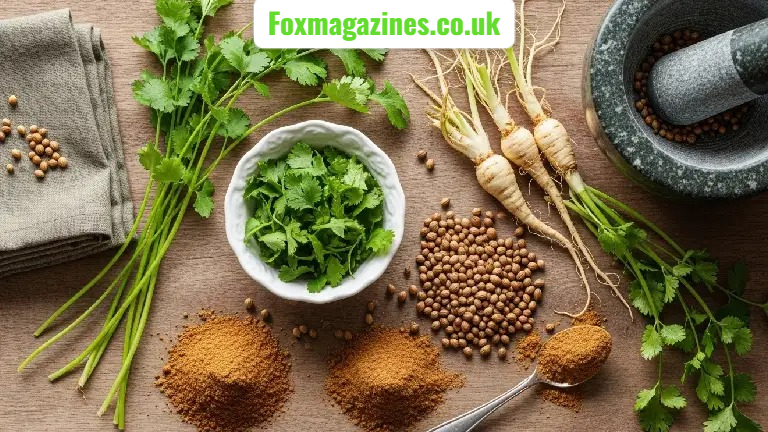
Koriandri, commonly known as coriander seeds or leaves, is a fragrant herb widely used in cooking and traditional wellness practices. It supports digestion, adds fresh flavor to meals, and provides essential antioxidants, vitamins, and minerals. Regular use in balanced amounts may help improve gut comfort, metabolism, and overall well-being while enhancing the taste and aroma of everyday dishes.
This comprehensive guide explores the nutritional value, culinary importance, and traditional wellness relevance of koriandri in daily life. You will discover how this humble kitchen ingredient supports digestion, immunity, and flavor balance across different cuisines. The article also explains safe consumption, storage methods, and practical home uses that make it valuable beyond cooking. Written in a clear and engaging style, the content helps readers understand both scientific insights and cultural traditions linked to coriander. By the end, you will know how to include it wisely in meals for better taste and gentle health support.
Natural Origin, Botanical Background, and Cultural Importance Across Traditional Cuisines
Koriandri comes from the coriander plant, an aromatic herb cultivated for centuries in Asia, the Mediterranean, and the Middle East. Both its seeds and fresh leaves hold culinary and cultural significance in traditional food systems. Ancient communities valued this herb not only for flavor but also for gentle digestive comfort after heavy meals. Its warm, citrus-like aroma makes it adaptable to soups, curries, breads, and herbal preparations. Because of its easy cultivation and versatile taste, coriander became a household essential passed through generations of cooking wisdom.
Nutritional Composition That Supports Everyday Energy and Gentle Body Balance
This herb contains small yet meaningful amounts of vitamins A, C, and K along with minerals such as calcium, potassium, and iron. Natural plant compounds called antioxidants help protect cells from daily environmental stress. The seeds also provide dietary fiber that supports smooth digestion and metabolic balance. Though used in modest quantities, its nutritional density contributes to overall wellness when combined with a balanced diet. Regular culinary use can quietly enhance nutrient intake without requiring major dietary changes or supplements.
Digestive Comfort and Traditional Use for Stomach Ease After Heavy Meals
For generations, families have relied on coriander preparations to soothe bloating and mild stomach discomfort. Warm infusions made from crushed seeds are traditionally consumed after rich or oily foods to promote gentle digestion. Natural aromatic oils in the herb may stimulate digestive enzymes and support smoother nutrient absorption. This explains why many cuisines finish meals with spice blends containing coriander. Such cultural habits reflect long-standing observational knowledge about how simple herbs can support internal comfort without complex remedies.
Antioxidant Properties and Their Role in Supporting Immune Resilience Naturally
Plant antioxidants found in coriander help the body manage oxidative stress created by pollution, processed foods, and daily fatigue. These compounds assist natural defense systems that maintain cellular health and balanced inflammation responses. While not a medical cure, regular intake through food contributes to long-term wellness maintenance. Traditional diets rich in herbs and spices often show better resilience because of these protective plant chemicals. Including aromatic herbs in cooking therefore becomes a simple preventive lifestyle habit rather than a treatment approach.
Flavor Enhancement in Global Cooking and the Science of Aromatic Balance
Coriander’s bright, slightly citrus flavor balances spicy, salty, and savory tastes within complex dishes. Chefs value it because it harmonizes strong ingredients without overpowering them. The seeds release warm nutty notes when toasted, while fresh leaves provide cooling freshness at the end of cooking. This dual flavor profile explains its presence in curry powders, chutneys, sauces, and marinades worldwide. Culinary science shows that aromatic herbs stimulate appetite and improve meal satisfaction, encouraging mindful eating and better digestion.
Role in Gentle Detox Support Through Hydration and Natural Plant Compounds
Traditional wellness systems often connect coriander with mild cleansing support, especially when consumed as a light herbal drink. Its natural compounds may assist fluid balance and encourage normal elimination processes. Combined with adequate water intake and nutritious meals, such herbs contribute to the body’s routine maintenance rather than dramatic detox claims. Modern nutrition emphasizes that gentle, consistent dietary habits are more effective than extreme cleansing methods. Simple herbal additions therefore remain meaningful within sustainable health practices.
Safe Consumption, Daily Quantity Awareness, and Balanced Dietary Integration
Using coriander in normal culinary amounts is generally considered safe for most healthy individuals. Excessive intake of any single herb, however, may cause mild digestive sensitivity in rare cases. Balance remains the key principle in nutrition, where variety ensures adequate nutrient coverage. Including herbs within diverse meals supports flavor enjoyment while avoiding overdependence on one ingredient. Individuals with specific medical conditions or allergies should always seek professional guidance before making significant dietary changes involving concentrated herbal preparations.
Storage Methods That Preserve Fresh Aroma, Nutrients, and Culinary Quality
Proper storage helps maintain the herb’s fragrance and nutritional integrity. Whole seeds last longer when kept in airtight containers away from moisture and direct sunlight. Fresh leaves remain vibrant when refrigerated with minimal water exposure. Grinding seeds only when needed preserves volatile aromatic oils responsible for flavor and wellness value. These simple household techniques ensure that everyday cooking continues to deliver both taste and subtle nutritional benefits without waste or quality loss over time.
Also read this: NLPAdel Platform Explained: Smart Language Processing Innovation Transforming Digital Communication
Traditional Home Remedies and Comfort Drinks Passed Through Generations
Across cultures, coriander appears in soothing home beverages prepared during seasonal discomfort or digestive unease. Warm herbal water infused with crushed seeds is commonly offered for gentle relief and hydration. Such remedies highlight the historical relationship between kitchen ingredients and family wellness care. While modern medicine provides advanced treatments, these mild preparations still hold emotional and cultural importance. They represent a nurturing approach where food, comfort, and healing traditions naturally blend together.
Farming, Sustainability, and Easy Cultivation in Small Home Gardens
Coriander grows quickly in moderate climates and requires minimal space, making it suitable for home gardening. Small pots on balconies or kitchen windows can produce fresh leaves within weeks. Sustainable cultivation reduces dependence on packaged herbs and supports environmentally conscious living. Growing culinary plants at home also strengthens awareness of seasonal food cycles and natural agriculture. This connection between gardening and cooking encourages healthier eating habits rooted in freshness and simplicity.
Mid-Article Insight Into Koriandri as a Bridge Between Food and Wellness
Koriandri uniquely connects everyday cooking with gentle traditional wellness philosophy. Unlike strong medicinal herbs, it integrates seamlessly into normal meals without altering routine dramatically. This subtle presence allows long-term benefits through consistency rather than intensity. Cultural food wisdom often values such mild yet reliable ingredients that support comfort over time. Understanding this perspective helps modern readers appreciate how small dietary habits quietly influence overall lifestyle balance and well-being.
Scientific Curiosity, Ongoing Research, and Modern Nutritional Interest
Contemporary researchers continue exploring coriander’s plant compounds and their biological interactions. Early studies examine antioxidant behavior, digestive enzyme stimulation, and metabolic influence. While findings remain supportive rather than conclusive, they reinforce traditional observations about gentle health value. Scientific curiosity around culinary herbs reflects growing interest in preventive nutrition. Integrating traditional knowledge with modern research creates a balanced understanding that respects both evidence and cultural experience.
Emotional Comfort, Familiar Aroma, and the Psychology of Home Cooking
The scent of coriander often evokes memories of family meals and shared kitchens. Food psychology shows that familiar aromas can reduce stress and create emotional warmth. Herbs therefore nourish not only the body but also the mind through sensory comfort. Preparing meals with traditional ingredients strengthens cultural identity and belonging. Such emotional nourishment plays an important role in holistic wellness that extends beyond physical nutrition alone.
Practical Daily Inclusion Without Complexity or Expensive Ingredients
Adding coriander to soups, grains, vegetables, and sauces requires minimal effort yet transforms flavor depth. Simple sprinkling of fresh leaves or gentle roasting of seeds can elevate ordinary meals. Because it is affordable and widely available, it suits diverse households and dietary patterns. Consistent small additions prove more sustainable than complicated health routines. Everyday accessibility makes this herb a realistic wellness companion rather than an exclusive specialty ingredient.
Conclusion Summarizing the Value and Everyday Relevance of Koriandri
Koriandri stands as a timeless kitchen herb blending flavor, nutrition, and cultural tradition in one simple ingredient. Its digestive comfort, antioxidant presence, and culinary versatility make it valuable for balanced living. From ancient kitchens to modern research interest, coriander continues to support gentle wellness through daily meals. Choosing natural, accessible ingredients like this encourages sustainable health habits rooted in tradition, simplicity, and mindful nourishment for long-term well-being.
FAQs (People Also Ask)
What is koriandri commonly known as?
It is commonly known as coriander seeds or coriander leaves, depending on the plant part used in cooking.
Can coriander support digestion naturally?
Traditional use suggests it may help reduce bloating and support smoother digestion after meals.
Is daily consumption safe?
Yes, normal culinary amounts are generally safe for healthy individuals when used in balanced diets.
Does coriander contain important nutrients?
It provides antioxidants, vitamins, minerals, and fiber in small but meaningful quantities.
How should coriander seeds be stored?
They should be kept in airtight containers away from heat, moisture, and sunlight.
Can coriander be grown at home easily?
Yes, it grows quickly in small pots with moderate sunlight and regular watering.
Is coriander used only for cooking?
No, it is also included in traditional herbal drinks and gentle home wellness practices.
Fore more info: Foxmagazines.co.uk
